Blog

Science with Purpose

Veterinary Communication

La Comunidad de Madrid refuerza la prevención de zoonosis con un nuevo comité técnico de emergencias

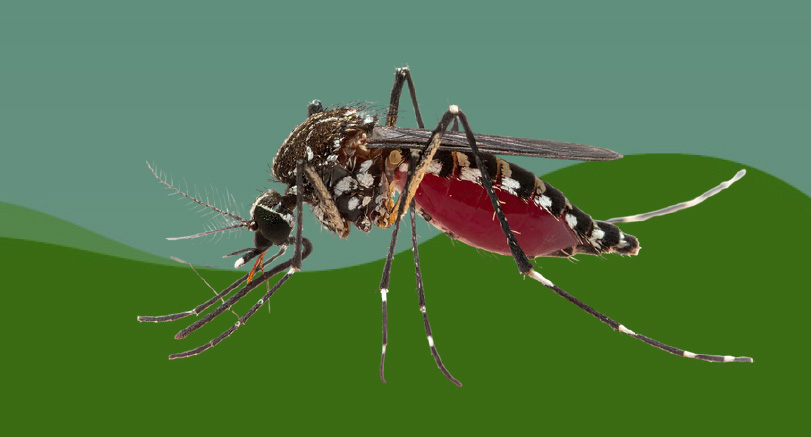
La Comunidad de Madrid ha creado en 2026 el Comité Técnico de Emergencias en Sanidad Animal y Zoonosis, un órgano destinado a mejorar la coordinación entre sanidad animal, salud pública y medio ambiente. La iniciativa busca reforzar la vigilancia epidemiológica y la capacidad de respuesta ante enfermedades de origen animal con potencial impacto en la salud pública, en línea con el enfoque One Health.


Read More »
Veterinary Communication

Veterinary Writing

Veterinary writing has evolved into a strategic function at the heart of innovation in animal health. Regulatory approval, market access, scientific credibility, and veterinarian adoption all depend on precise, compliant, and strategically structured communication. 

Read More »
Overview

Canine Atopic Dermatitis Management

Canine atopic dermatitis (CAD) is a common chronic pruritic skin disease and a major challenge in veterinary dermatology due to its multifactorial pathogenesis and lifelong management requirements. The condition results from a complex interaction between genetic predisposition, immune dysregulation, epidermal barrier dysfunction, and hypersensitivity to environmental allergens, leading to persistent pruritus, characteristic lesion distribution, and frequent secondary infections. Diagnosis is primarily clinical and based on exclusion of other pruritic disorders.

Read More »
Scientific-educational-content-3
Overview

Antibiotic Resistance in Livestock

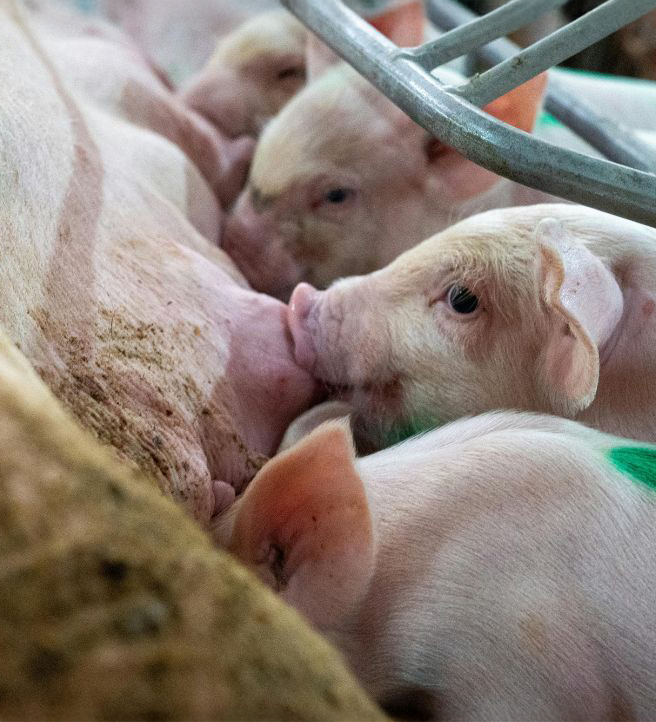
Antibiotic resistance is a major global health threat, with livestock production playing a key role in its spread. Extensive and often inappropriate antibiotic use in veterinary medicine has accelerated the emergence of resistant bacteria, which threaten animal, human, and environmental health. Resistance develops through bacterial mutations and horizontal gene transfer, allowing bacteria to survive antibiotics and share resistance genes across species. Humans can be exposed via contaminated food, direct contact with animals, or environmental pathways, highlighting the One Health connection.

Read More »
Overview

Avian Influenza Virus: Veterinary and Public Health Insights

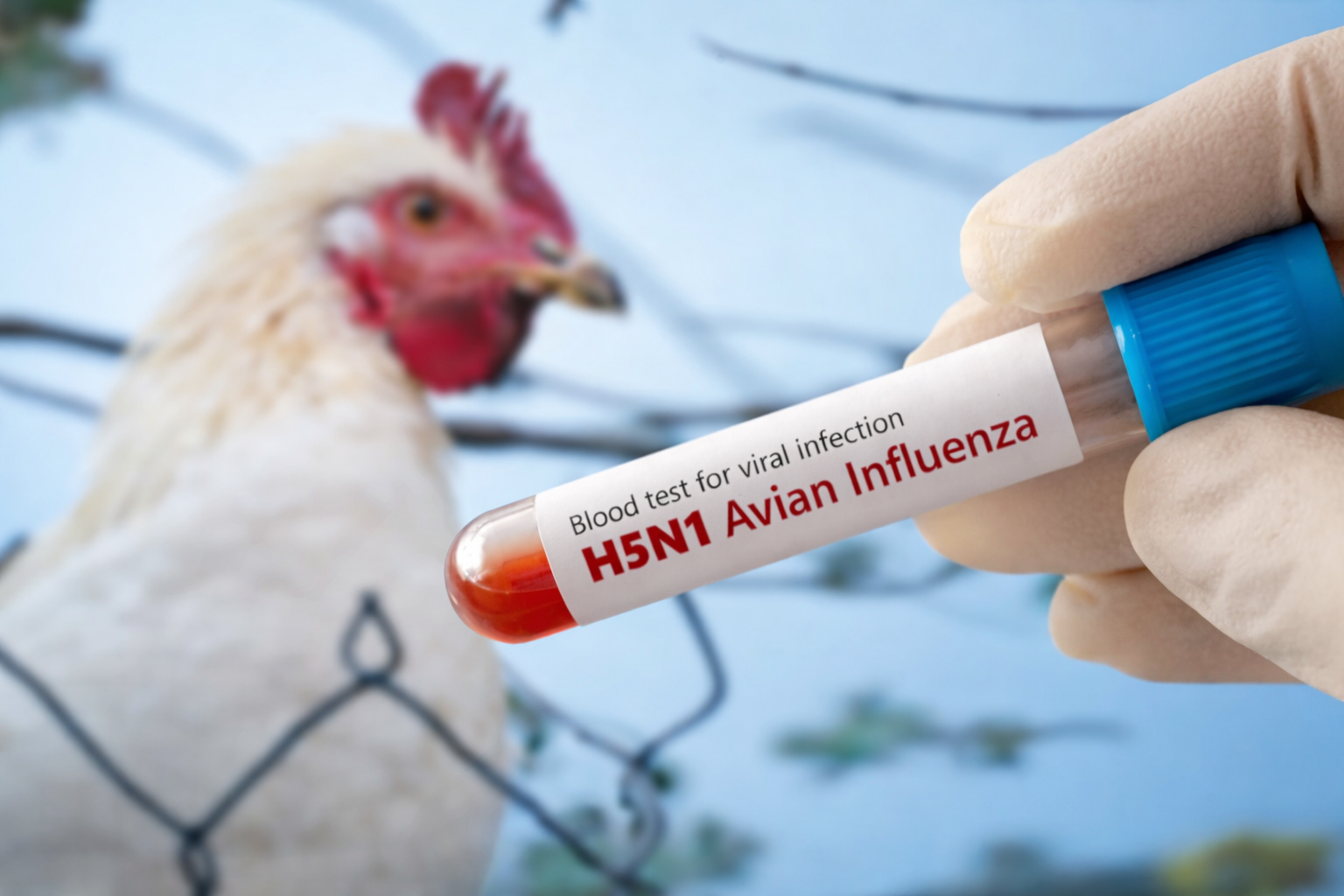
The United States (U.S.) is currently facing significant challenges related to the detection of highly pathogenic avian influenza (HPAI) H5N1 in dairy cows. 

Of particular concern, human cases linked to animal exposure have been reported. However, no sustained human-to-human transmission has been detected to date, indicating that the virus has not yet acquired the capacity for efficient spread among people.

Read More »